

Answers to Frequent Service Questions
Carpet installation for Valley homes often raises questions about pad selection, subfloor compatibility, and product longevity. The details below address what homeowners typically ask before starting a project.
What's the difference between carpet pad densities?
Pad density is measured in pounds per cubic foot, with higher density providing firmer support for high-traffic areas and lower density offering softer cushion for bedrooms—matching density to room use prevents premature carpet wear and compression marks.
Why does subfloor type affect pad selection in Las Vegas homes?
Slab foundations transfer temperature and require different pad thickness than wood-framed floors—too thick over slab causes carpet to shift, while too thin over concrete feels hard and allows cold transfer during winter months.
How do I know if carpet is right for a specific room?
Carpet works best in bedrooms, bonus rooms, and living spaces shielded from direct sun and low moisture—rooms with heavy sun exposure or potential water contact are better suited to tile or LVP in the Valley's high-desert climate.
What causes carpet to develop ripples or buckles after installation?
Rippling usually results from incorrect pad thickness over slab foundations or improper stretch during installation—commercial-grade installers match pad spec to subfloor type and use power stretchers to tension carpet correctly.
How long does residential carpet last in Centennial Hills and Henderson homes?
Properly installed carpet with the right pad density will last 10 to 15 years in low-traffic areas and 7 to 10 years in high-traffic zones, depending on fiber type and maintenance.
Academy Stone, Tile & Flooring applies product and pad selection based on actual room use and subfloor conditions throughout the Las Vegas Valley. Arrange a consultation to discuss your specific room requirements and carpet specifications.
Let's Create Something Exceptional
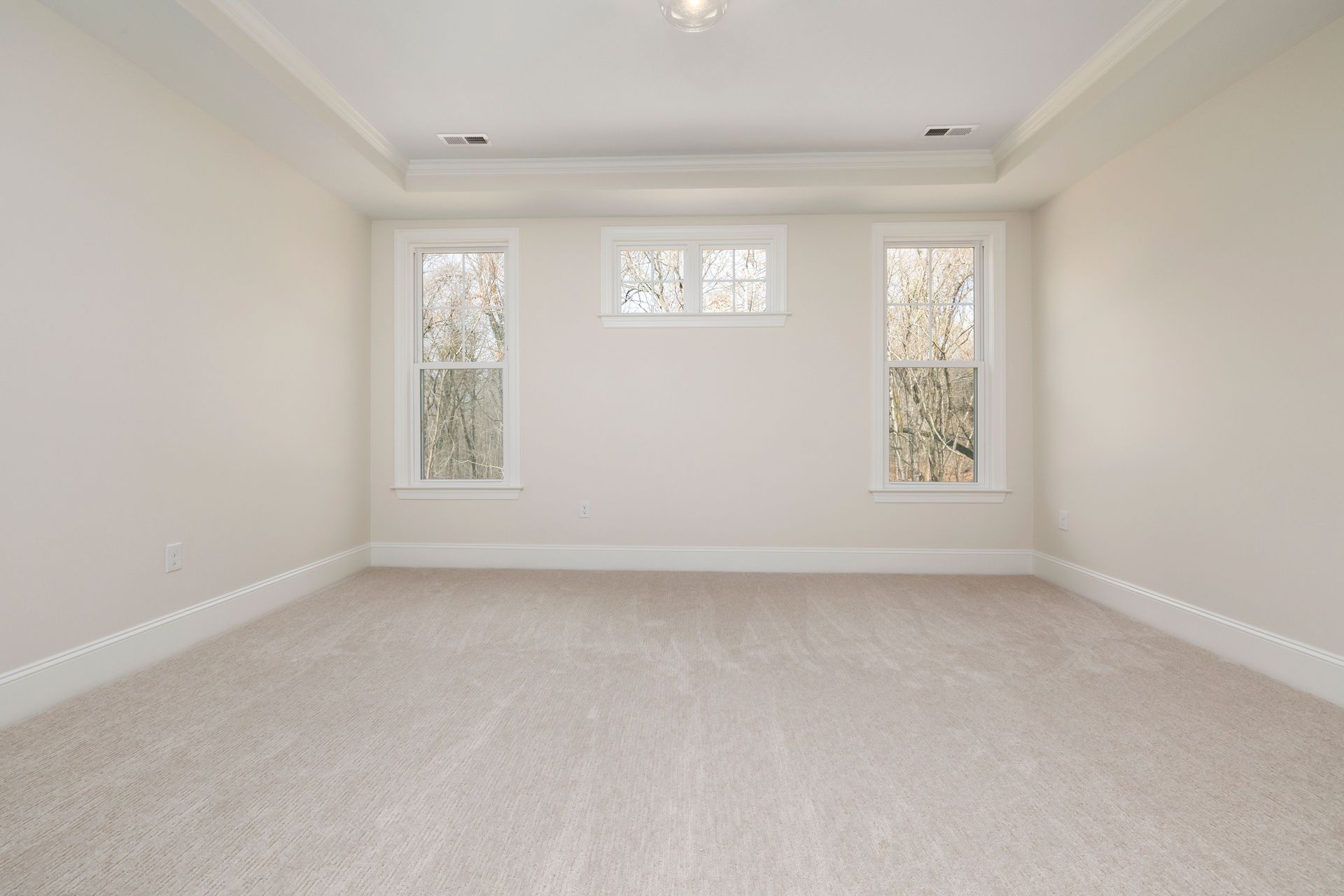
Residential Carpet in Las Vegas for bedrooms, bonus rooms, and living spaces shielded from direct sun
Valley new-builds use carpet for comfort underfoot in rooms shielded from direct sun—Centennial Hills and Henderson neighborhoods are prime candidates for properly specified carpet installations. Pad density selection matters as much as carpet grade, and Academy Stone, Tile & Flooring matches pad spec to traffic level and subfloor type rather than applying the same default across every room. Product and pad selection are guided by actual room use, not a generic spec sheet, and the approach reflects expanded full-service flooring capability added under current ownership.
Carpet installation begins with understanding how the room will be used and what type of subfloor it sits on—slab foundations require different pad density than wood-framed floors, and high-traffic bedrooms need firmer support than low-traffic guest rooms. Pad density affects how carpet wears over time, how it feels underfoot, and whether it develops traffic patterns or compression marks within the first few years.
Request a detailed estimate based on your room layout and traffic expectations.
stone
tile
flooring
For homeowners who expect nothing less than exceptional.
Pad density is measured in pounds per cubic foot, and the right spec depends on subfloor type, carpet weight, and expected foot traffic. A master bedroom over slab benefits from higher-density pad that insulates against temperature transfer, while a bonus room with less daily use can accept a softer pad without sacrificing longevity. Subfloor type also determines pad thickness—too much cushion over slab can cause carpet to shift and wrinkle, while too little over concrete feels hard and cold underfoot.
Once installation is complete, you'll notice carpet that stays smooth without developing ripples or buckles, padding that feels consistent across the room without soft spots or compression zones, and surfaces that handle daily use without matting down prematurely. Rooms stay comfortable year-round without temperature extremes transferring through from slab foundations below.
Carpet fiber selection also plays a role—nylon holds up better in high-traffic areas than polyester, and twist versus loop pile affects both appearance and durability depending on whether the room sees heavy use or light traffic.