
Questions Before Starting Your Project
Residential tile projects in the Valley often raise similar concerns about preparation, timing, and product selection. The answers below address what homeowners typically ask before installation begins.
What happens if my subfloor isn't flat enough for tile?
Subfloor flatness is verified during the estimate, and any correction work is completed before tile installation begins—self-leveling compound or grinding brings the surface within industry tolerance so tile bonds properly and grout doesn't crack.
How does desert sun exposure affect tile in my Summerlin home?
Intense UV exposure can fade lower-grade ceramic glazes over time, so tile installed in sunrooms, entryways, and south-facing living areas is selected with UV-resistant finishes that hold color through years of high-desert sunlight.
What's the difference between residential and commercial tile installation standards?
Commercial installations require stricter substrate prep, specific mortar and grout formulations, and flatness tolerances that prevent lippage—those same standards are applied to residential projects when you work with installers trained in commercial environments.
How long does a properly installed ceramic tile floor last in a Las Vegas home?
Ceramic tile installed with verified subfloor prep and commercial-grade materials will outlast most other flooring options in the Valley's dry climate, often lasting decades without replacement when maintained properly.
Academy Stone, Tile & Flooring applies trade-grade installation discipline to residential ceramic tile projects throughout the Las Vegas Valley. Request a detailed estimate based on your current floor condition and room specifications.
Your Home Should Be a Masterpiece.
Residential Ceramic Tile in Las Vegas for homes facing intense UV exposure and heavy foot traffic
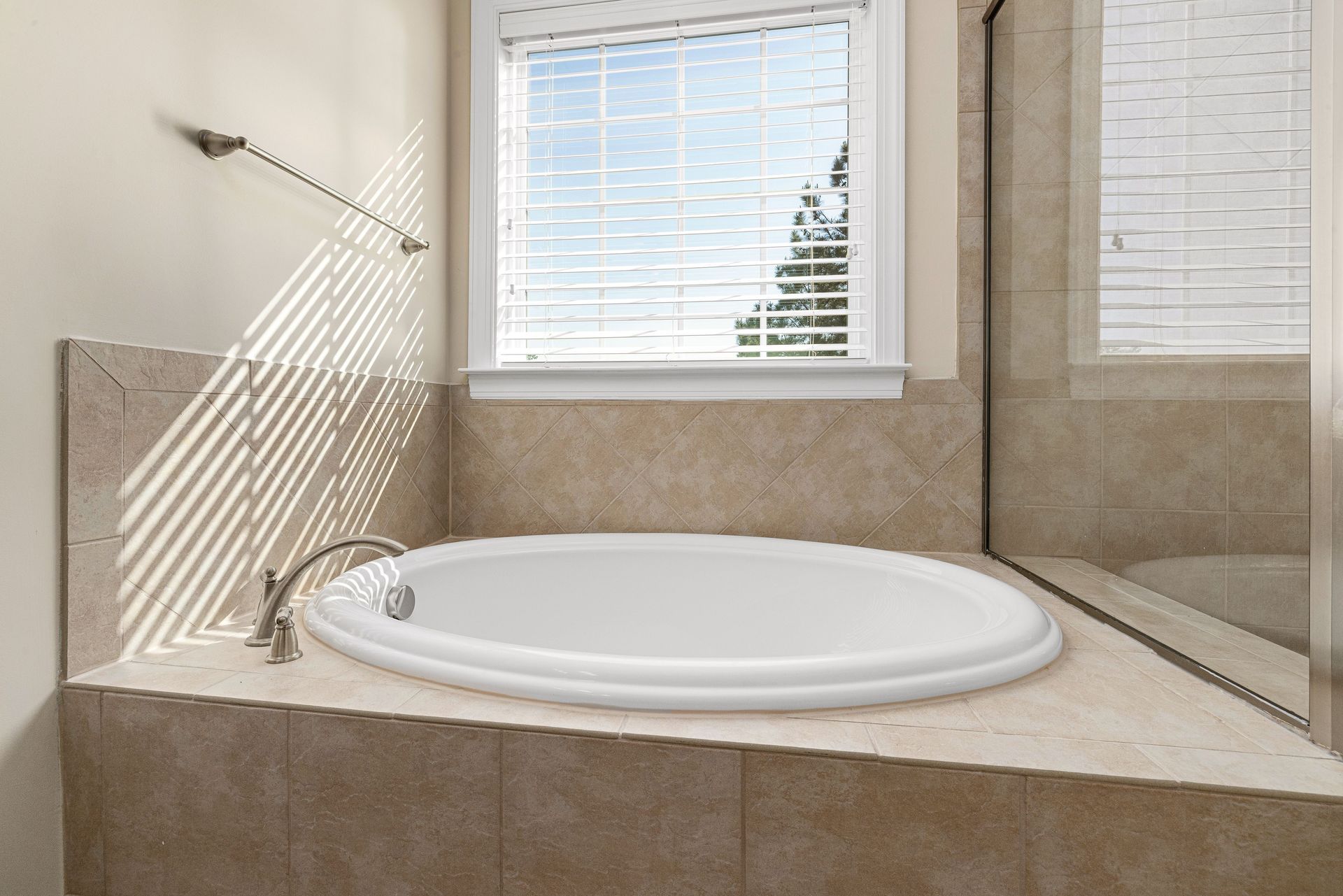
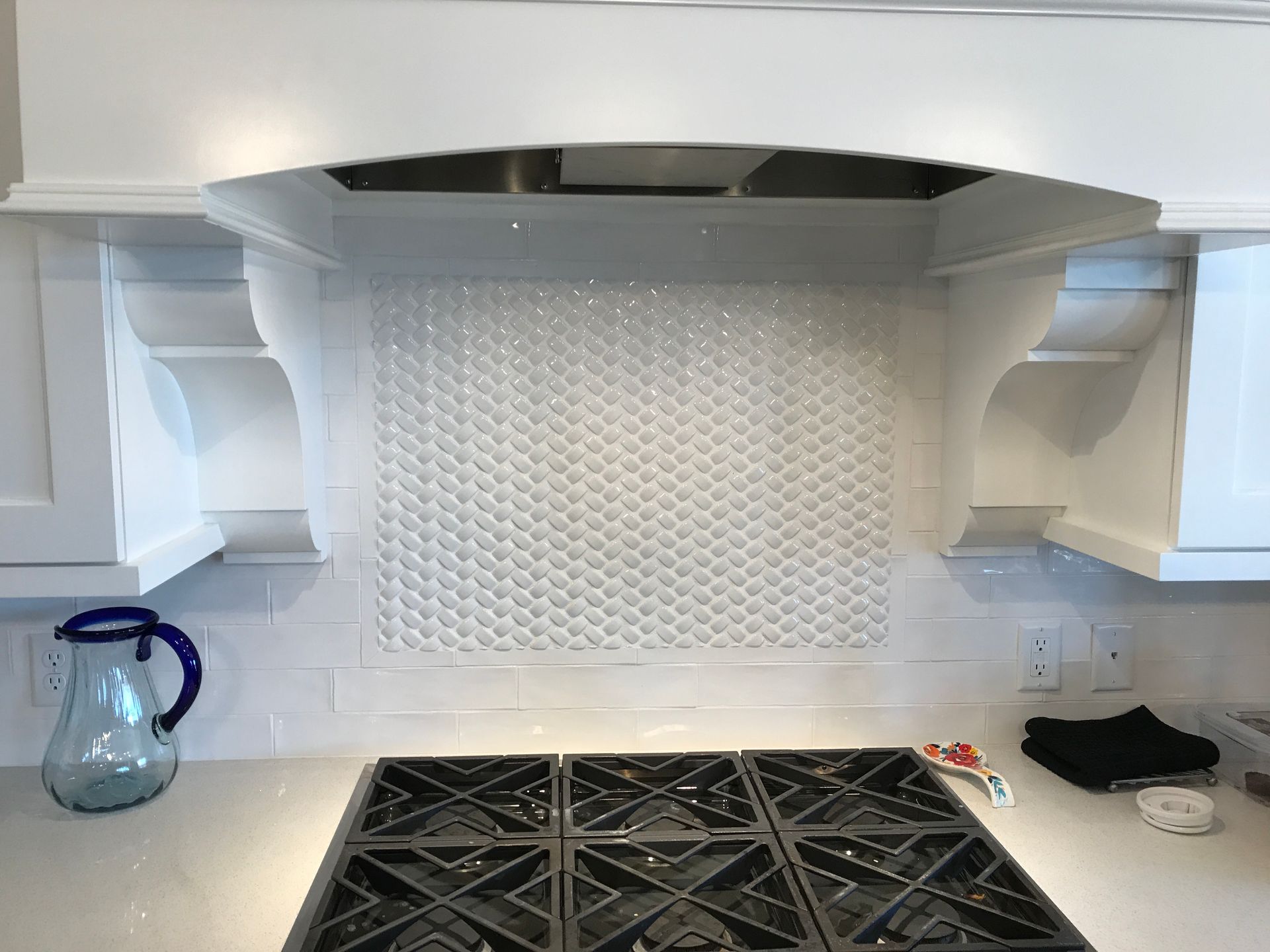
Academy Stone, Tile & Flooring installs residential ceramic tile for floors, showers, and living spaces across Las Vegas Valley homes, applying commercial-trained installation standards to every residential project. Desert-style homes in Summerlin and Henderson demand tile that handles both heavy foot traffic and intense high-desert sun exposure without cracking or fading. The approach starts with subfloor flatness verification before any tile is set—the step that prevents cracked grout within the first year.
Ceramic tile installation in the Valley requires more than pattern placement—subfloor preparation determines whether grout lines crack within months or hold for years. Commercial-grade standards applied to residential jobs mean substrates are checked for flatness, moisture, and structural integrity before mortar is mixed. The result is tile that stays level and grout that doesn't fail when your home shifts with seasonal temperature swings.
Schedule a property evaluation to review your subfloor condition and tile specifications.
stone
tile
flooring
PRECISION BENEATH THE SURFACE
Subfloor flatness is measured and corrected before tile is laid, not after grout starts cracking. High-desert homes built on slab foundations experience thermal expansion throughout the year, and any substrate variation beyond industry tolerance will telegraph through to the tile surface. Self-leveling compound or substrate grinding brings the floor within spec so that tile bonds uniformly across the entire surface.
Once installation is complete, you'll notice grout lines that remain intact through seasonal temperature changes, tile that doesn't shift underfoot, and surfaces that handle daily traffic without lippage between tiles. Showers stay watertight at seams, and floor tile in high-traffic entries and kitchens holds its bond year after year. Academy Stone, Tile & Flooring brings 20 years of certified craftsmanship to every residential installation, treating your home with the same technical rigor applied to commercial projects.
Tile selection also matters—ceramic rated for high-traffic zones performs differently than standard wall-grade material, and UV-resistant glazes prevent color fade in sunrooms and entryways exposed to direct Valley sunlight. Product selection is matched to room use and sun exposure, not pulled from a single default spec.